
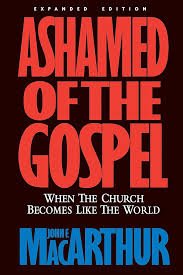
Why This Book Matters
There’s a question the modern church doesn’t want to answer: Have we traded the power of the Gospel for the approval of the culture? John MacArthur asked it anyway. Ashamed of the Gospel is not a polite suggestion. It’s an alarm. And if the state of the church in 2026 is any indication, it’s an alarm that most people hit snooze on when it first went off — which is exactly why you need to read it now.
What It’s About
MacArthur’s thesis is straightforward: the evangelical church has become ashamed of the very message it exists to proclaim. Instead of preaching the full counsel of God — sin, repentance, the wrath of God, substitutionary atonement, the exclusivity of Christ — churches have adopted a market-driven approach. Survey the audience. Find out what they want to hear. Give them that. Remove anything offensive. Fill the seats. The result? Churches full of people who’ve never actually heard the Gospel.
MacArthur traces this trend through church history, drawing heavy parallels to Charles Spurgeon’s battle against the Downgrade Controversy in Victorian-era England — a time when churches drifted from biblical authority in the name of cultural sophistication. The parallels to today are uncomfortable, and they’re supposed to be.
Why I Picked This Up
I was already a MacArthur reader — his commitment to expository preaching and doctrinal precision is something I’ve respected for a long time. But the reason this particular book landed when it did was frustration. I was watching it happen in real time. Churches turning into coffee shops with a light show. Sermons that sounded more like TED Talks than expositions of Scripture. Pastors with massive followings who couldn’t give you a clear answer on the doctrine of justification if you asked them on camera. Social media Christianity where the goal isn’t faithfulness — it’s engagement.
MacArthur put words to what I was seeing and backed it up with Scripture and church history. That combination is hard to argue with.
What Hit Me the Hardest
The section on the seeker-sensitive movement. MacArthur doesn’t mince words: when you design your entire ministry around not offending unbelievers, you’ve already compromised the message. Paul said the cross is foolishness to those who are perishing (1 Corinthians 1:18). Jesus said He came not to bring peace but a sword (Matthew 10:34). The Gospel is inherently offensive to the natural man — and the moment you sand down that offense, you’re no longer preaching the Gospel. You’re preaching something else and slapping a Christian label on it.
That’s not to say we should be needlessly abrasive. But there’s a canyon-wide difference between being gracious in how we present truth and being so afraid of the truth that we stop presenting it altogether. MacArthur makes that distinction clear, and it’s one the church desperately needs right now.
Why You Should Read It
Three reasons.
First, it’ll make you stop apologizing for the Gospel. Romans 1:16 — “For I am not ashamed of the gospel, for it is the power of God for salvation to everyone who believes.” Paul didn’t say the Gospel was the power of God for salvation to everyone who finds it culturally palatable. The power is in the message, not in our packaging of it. If you’ve ever felt pressure to soften the hard edges of biblical truth to make people more comfortable, this book will recalibrate you.
Second, it’s a call to return to expository preaching. MacArthur argues — convincingly — that the solution to the church’s drift isn’t a better marketing strategy. It’s opening the Bible and teaching it verse by verse, book by book, letting the text speak for itself. That’s how Spurgeon preached. That’s how the Reformers preached. That’s how the apostles preached. And it’s the model the church needs to get back to.
Third, it’ll equip you to know what you believe and why. We live in a time where the culture doesn’t just disagree with Christianity — it actively pushes back. You need to know the doctrines you stand on well enough to not flinch when that pressure comes. MacArthur doesn’t just tell you to be bold. He gives you the theological backbone to actually do it.
Who This Book Is For
If you’re a pastor or church leader, this book is a mirror. Read it and ask yourself honestly whether your church is preaching the Gospel or a version of it that’s been filed down to avoid complaints. If you’re a believer sitting in the pews wondering why Sunday mornings feel more like a motivational seminar than worship, this book will confirm that you’re not crazy — and it’ll point you toward what faithful church should look like. If you’re someone who’s never thought much about it, this book will open your eyes to a problem you didn’t know existed.
MacArthur isn’t trying to win a popularity contest. He’s trying to call the church back to its mission. And given the state of things, that’s a voice worth listening to.